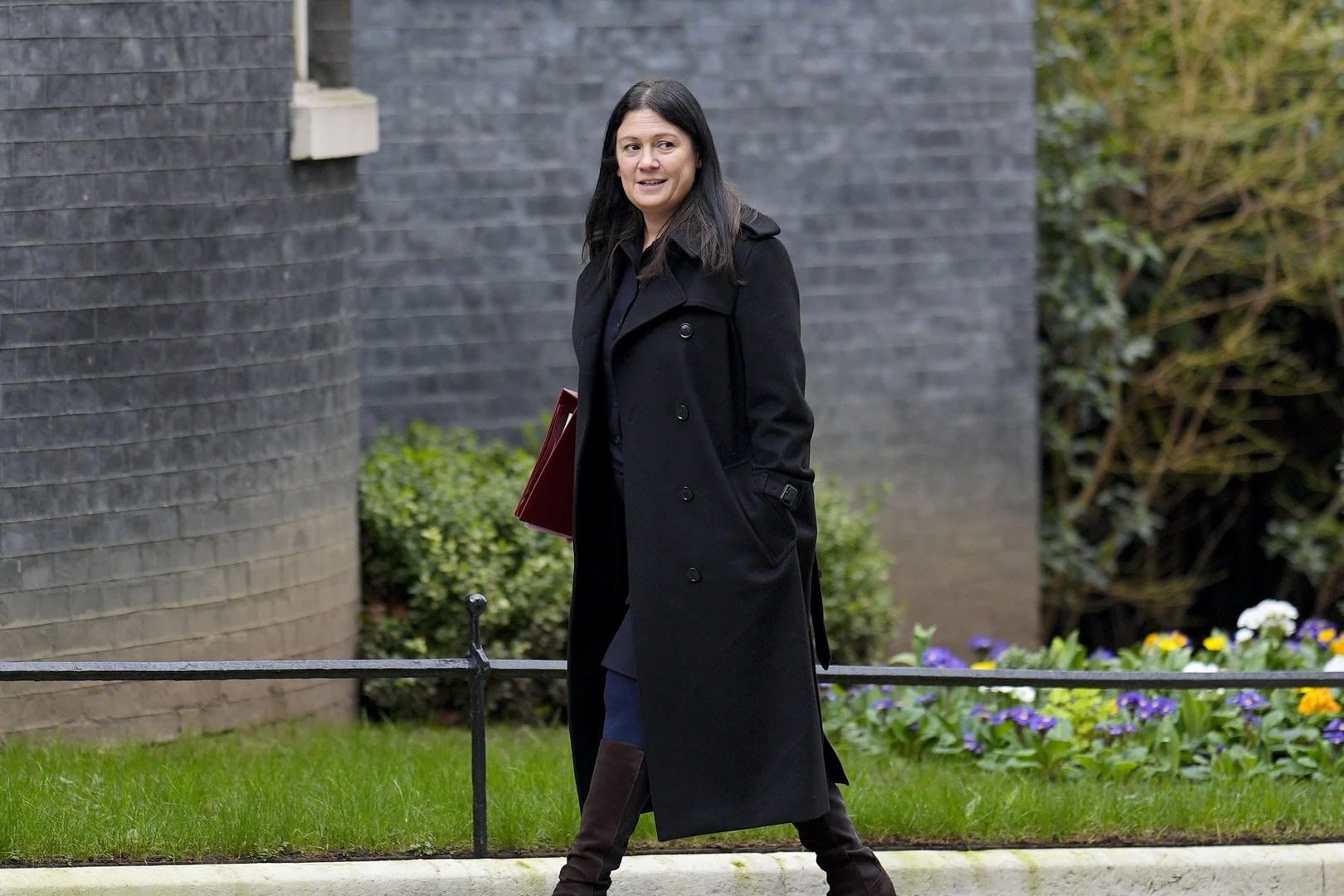
The government’s £12 million Local News Fund is designed to tackle this issue on several fronts. A portion of the money will be used to help existing publishers innovate and adapt to the digital age, funding new technology and new ways of reaching audiences. Another part of the fund will be specifically targeted at reviving local news in those areas that have been completely abandoned, providing seed funding for new start-ups or hyperlocal initiatives. The strategy also includes support for community radio stations, which play a vital role in many areas. The Culture Secretary, Lisa Nandy, has spoken passionately about the “value of reliable local news,” and this fund represents the most significant government intervention in the sector for a generation.
Advertisement
However, it is important to temper expectations. £12 million spread across two years is a drop in the ocean compared to the advertising revenues that have evaporated from the local press. It is a sticking plaster, not a cure. The fund cannot reverse the fundamental economic shifts that have undermined the business model of local journalism. What it can do is provide a lifeline, a chance for innovative, community-focused news organisations to get a foothold and prove their worth. The success of this initiative will not be measured in the number of newspapers printed, but in the number of council meetings covered, the number of planning applications scrutinised, and the number of local voices amplified. The fight to save local news is a long, hard slog, but this £12 million fund is a welcome, if overdue, acknowledgment from the government that the battle is worth fighting.