Home Weather
Category:

Weather

Advertisement

The city of Bristol, with its iconic suspension bridge, its vibrant harbourside, and its famously independent spirit, is not a place that normally trades on its reliably sunny climate. It is a city that has learned to embrace the drizzle and make the best of a cloudy day. So, when the Met Office forecast that the mercury was set to rise to a balmy 22 degrees Celsius, the city’s residents reacted with a mixture of disbelief and unbridled enthusiasm. The south-west is basking in what forecasters are calling an “unusual” spell of warmth, a brief but glorious interlude before the chill returns.

The images from Bristol tell the story of a city making the most of its moment in the sun. The grassy banks of the harbourside, usually populated by a hardy few, were thronged with sunbathers and picnickers. The cafes and bars along the waterfront did a roaring trade, their outdoor seating areas spilling over with customers eager to soak up the atmosphere and the vitamin D. In the city’s many parks, from the sweeping expanse of the Downs to the more intimate Victoria Park, the scene was one of communal joy. Frisbees flew, children paddled in fountains, and the air was filled with the scent of sun cream and cut grass.

Pages: 1 2

Advertisement

The sun is shining, the sky is a brilliant, cloudless blue, and the temperatures are nudging towards the mid-twenties. It is the kind of weather that normally sends the British public into a frenzy of outdoor activity. But for a significant portion of the population, this glorious spell of spring sunshine comes with a hefty and miserable caveat. The Met Office has issued a ‘very high’ pollen warning, with red alerts in place across the vast majority of England and Wales. The culprit is the peak of the tree pollen season, and the main offenders are the fine, invisible grains of birch and ash pollen that are currently swirling through the air in vast quantities.

For the millions of hay fever sufferers in the UK, a ‘very high’ pollen count is not just an inconvenience; it is a debilitating condition. The familiar symptoms—the itchy, streaming eyes, the incessant sneezing, the blocked nose, and the general feeling of utter exhaustion—can make even the simplest tasks a misery. The joy of a sunny day is cruelly snatched away, replaced by the need to retreat indoors and seal the windows. The Met Office’s warning is stark and covers a wide geographical area. From the south coast of England up to the Scottish border, the pollen count is forecast to hit the highest possible level on the scale.

Pages: 1 2

Advertisement

The great British bank holiday getaway is a ritual of hope over experience. Every year, millions of us pack our cars, board trains, and head for the hills or the coast, dreaming of a relaxing long weekend. And every year, the weather seems to have other ideas. This Easter, the spoilsport was a named storm, a blustery, ill-tempered weather system that the Met Office had christened Storm Dave. While the south of the country basked in a surprising burst of warmth, the northern regions of the UK were left to bear the full brunt of Dave’s fury, with high winds, heavy snow, and widespread travel disruption casting a long shadow over the holiday.

Storm Dave swept in from the Atlantic over the Easter weekend, bringing with it a cocktail of unpleasant conditions. The Met Office issued a series of yellow weather warnings for wind and snow that covered the entirety of Scotland, as well as parts of northern England and north Wales. The warnings proved to be well-founded. Gusts of wind reaching speeds of over ninety miles per hour were recorded in the most exposed locations. The combination of high winds and heavy, drifting snow made driving conditions treacherous, and several key roads were blocked. The rail network was not spared either. National Rail warned of significant disruption to services, with speed restrictions imposed and some routes suspended entirely. Ferry services to the Scottish islands were cancelled or delayed.

Pages: 1 2

Advertisement

The weather charts are a sea of orange and red, and the meteorologists at the Met Office are reaching for their superlatives. The United Kingdom is on the cusp of experiencing its warmest start to the month of April in six long years. A broad swathe of the country, from the south coast of England all the way up to the central belt of Scotland, is set to enjoy temperatures that are significantly above the seasonal norm. For a nation whose favourite pastime is discussing the weather, this is headline news of the highest order.

The numbers are genuinely impressive. Forecasters are predicting widespread highs of between 18 and 23 degrees Celsius across much of the country. That is a full ten degrees above the typical early April average, which tends to hover in the rather less inspiring range of 12 to 15 degrees. Some areas in the south and east of England could even touch 26 degrees, challenging the all-time April record of 26.1 degrees set way back in 1946. The cause of this meteorological largesse is a classic setup: an area of high pressure anchored over the continent is acting as a conveyor belt, dragging warm, settled air up from the south. It is a pattern more typically associated with high summer than early spring.

Pages: 1 2

Advertisement

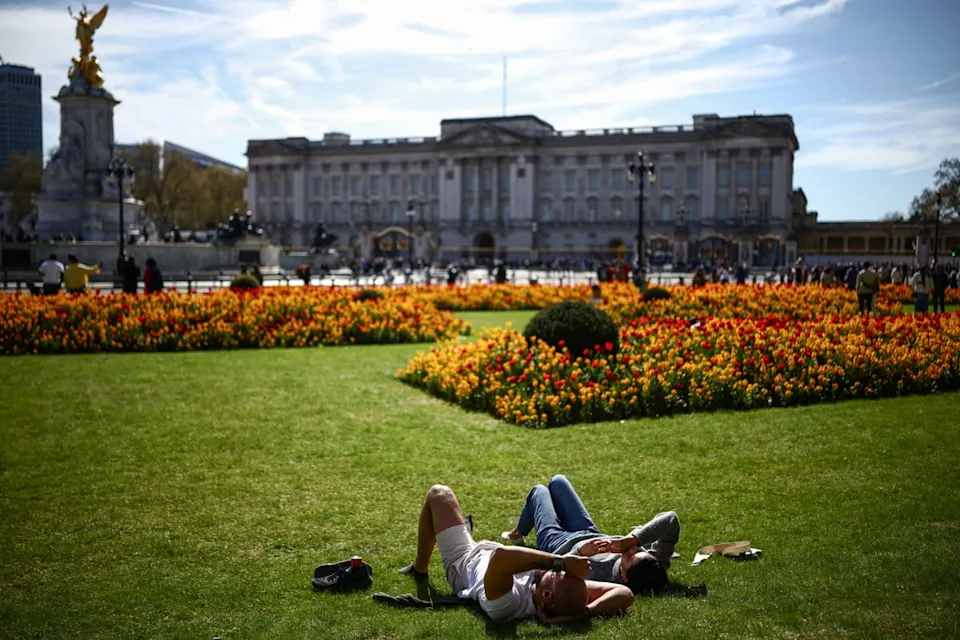
Put away the winter coats and dig out the sun cream. The meteorological gods have decided to smile upon the British Isles, delivering a blast of unseasonable warmth that is set to send temperatures soaring. And in a twist of climatic irony that is almost too delicious to resist, the capital city of London is forecast to be hotter than the sun-drenched party island of Ibiza. The Met Office has confirmed that a plume of warm air, sweeping up from the south, will push the mercury in the capital to the mid-twenties, comfortably eclipsing the more modest temperatures expected in the Balearics.

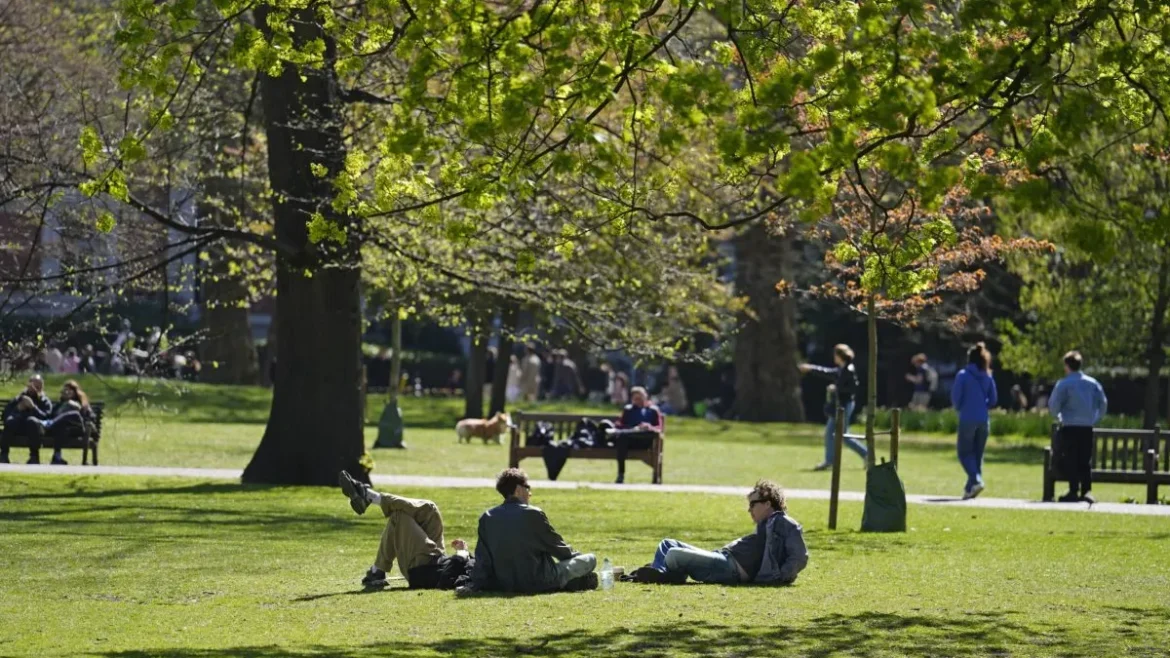
The timing of this mini-heatwave is particularly welcome. After a damp, grey start to the spring, and the recent battering from Storm Dave in the north, the prospect of clear blue skies and genuine warmth is a much-needed tonic. Londoners, a hardy breed accustomed to enduring the crush of the Central Line in all weathers, are being urged to decamp to the city’s parks and green spaces. The deckchairs in St James’s Park and the grassy slopes of Primrose Hill are expected to be at a premium. The gentle hum of distant traffic will be replaced by the sizzle of barbecues and the delighted shrieks of children discovering that yes, it is actually possible to feel the warmth of the sun on your skin in early April.

Pages: 1 2

Advertisement