Home Whitehall
Category:

Whitehall

Advertisement

The slow, agonising decline of local journalism in the United Kingdom has been one of the most damaging and under-reported stories of the past two decades. Hundreds of local newspapers have closed their doors, their printing presses silenced and their newsrooms turned into trendy coffee shops or luxury flats. The result has been the emergence of so-called “news deserts”—communities that have no dedicated local news outlet to hold their councils to account, report on local courts, or simply celebrate the achievements of the local football team. In a belated attempt to address this democratic deficit, the government has announced a new Local Media Strategy, backed by a £12 million fund designed to breathe new life into local journalism.

The scale of the problem is staggering. Government estimates suggest that up to 37 local authority districts in the UK now lack a dedicated print, online, radio, or television news service focused on their area. This means that an estimated 4.4 million people are living in a news desert. They are reliant on social media rumours, national news outlets that rarely venture beyond the M25, or, in the worst cases, no news at all. This vacuum of information is a breeding ground for misinformation and cynicism. It weakens local democracy by removing the scrutiny that keeps councillors and public officials honest. It erodes the sense of community and shared identity that local papers once fostered.
Pages: 1 2

Advertisement

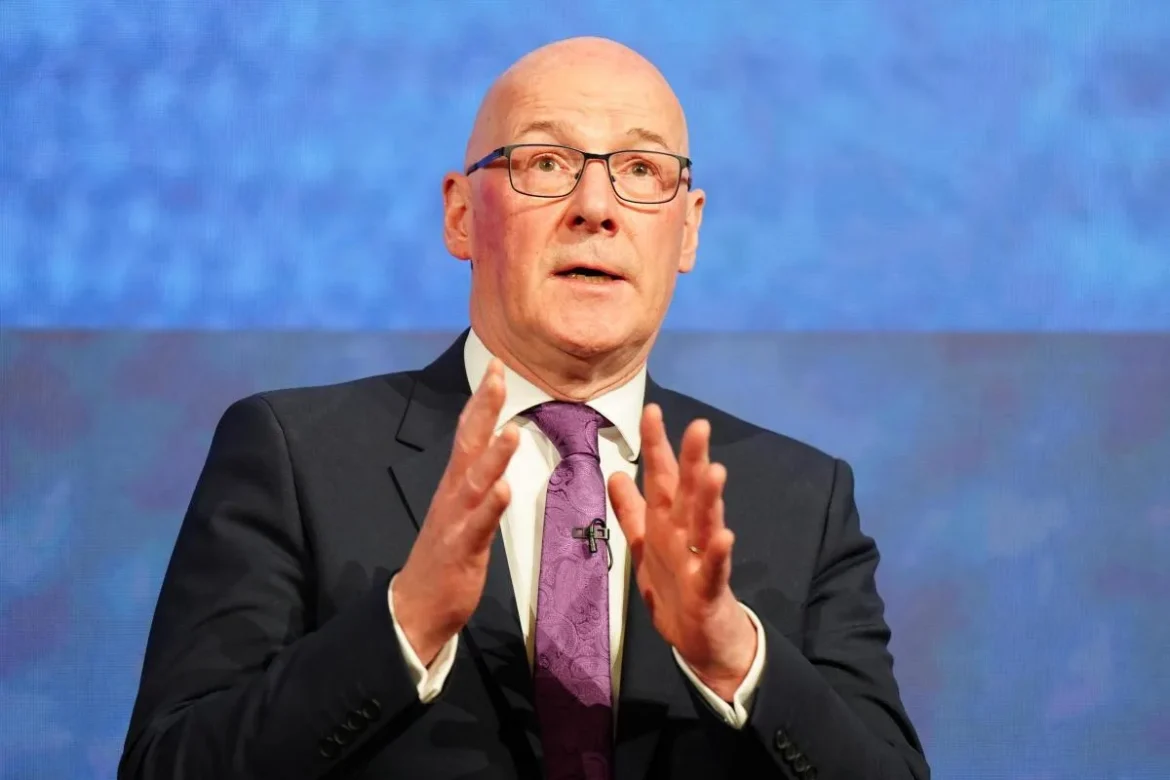
As the conflict in the Middle East sends tremors through the global energy markets, the cost of filling up the family car has once again become a source of acute financial pain for millions of British households. The price at the pump, which had been slowly and mercifully drifting downwards, has reversed course, climbing back towards levels that induce a sharp intake of breath. Into this crisis has stepped Scotland’s First Minister, John Swinney, with a political demand that is as blunt as it is predictable. The SNP has launched a major campaign calling on the UK Government in Westminster to cut fuel prices and scrap a planned increase in fuel duty.

Swinney’s argument is straightforward and, on the surface, difficult to argue with. He contends that the UK Government has the power to alleviate the financial burden on motorists and businesses by reducing the tax take on fuel. He points to the economic turmoil caused by the conflict in the Middle East and argues that now is not the time for the Treasury to be taking a larger slice of the pie. The SNP’s demand includes the immediate scrapping of a planned fuel duty increase scheduled for later this year. It is a populist plea designed to resonate with voters in Scotland, particularly those in rural and remote communities who are heavily reliant on their cars and face some of the highest fuel prices in the UK.

Pages: 1 2

Advertisement

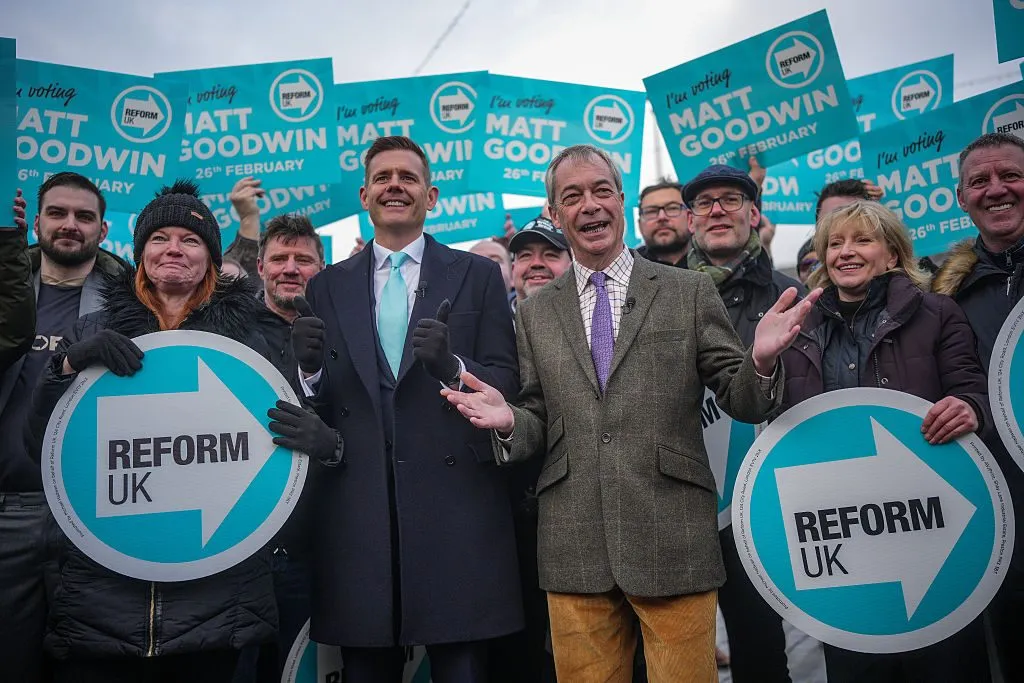
The political map of England is about to be redrawn, not by a boundary commission, but by the restless, unpredictable tides of voter discontent. The local elections on the 7th of May, which will see more than five thousand council seats contested across the country, are shaping up to be less of a traditional two-party contest and more of a multi-front insurgency. The big beasts of Westminster, Labour and the Conservatives, are looking over their shoulders with increasing anxiety as two very different political forces threaten to tear chunks out of their local government power bases. On the right, Reform UK is hoovering up disaffected former Tories. On the left, the Green Party is making inroads into Labour’s urban heartlands.

The rise of Reform UK is a phenomenon that has confounded the traditional polling models. The party, with its platform of populist nationalism, lower taxes, and a hard line on immigration, has tapped into a deep well of frustration among voters who feel that the Conservative Party has lost its way. In the local elections, this translates into a direct threat to Tory council majorities across the shires and the post-industrial towns of the North and Midlands. Reform candidates are not just taking votes from the Conservatives; they are also fielding a significant number of candidates in their own right, building a grassroots infrastructure that could have long-term implications for the political landscape. A strong showing for Reform on the 7th of May would send a shockwave through the Conservative Party and intensify the pressure on its leadership.

Pages: 1 2

Advertisement

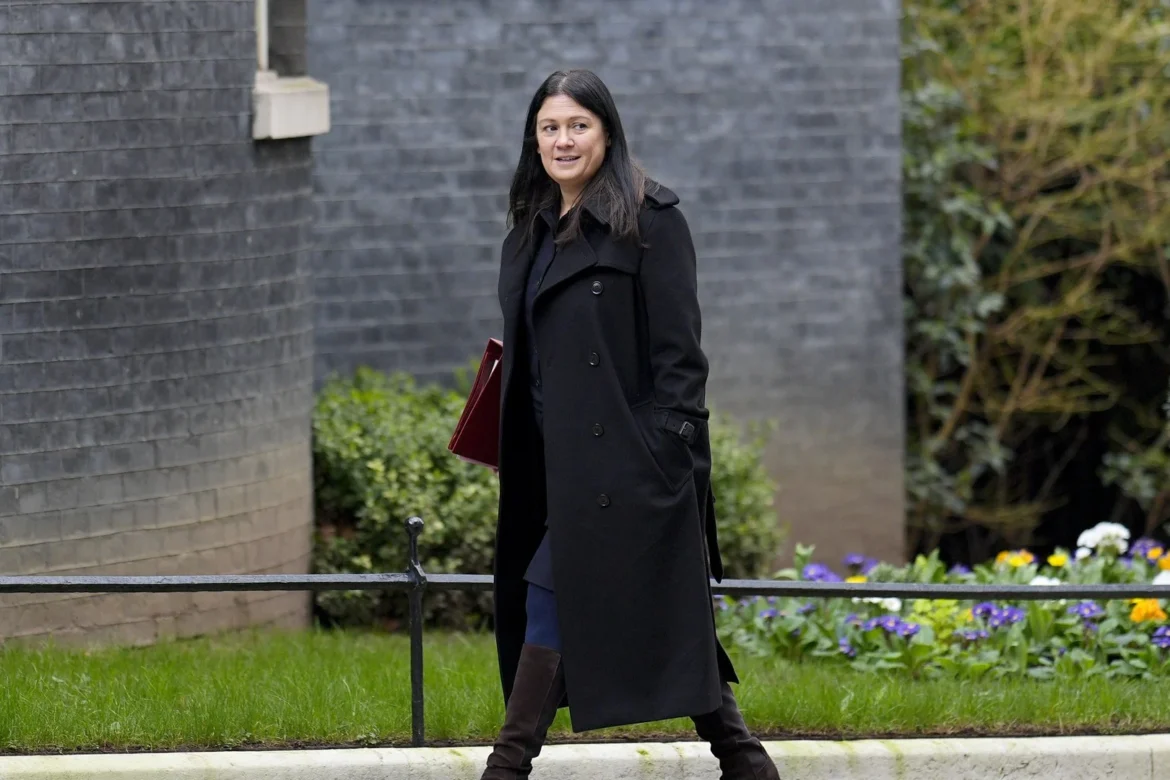
The ink on his election victory was barely dry before the Prime Minister, Sir Keir Starmer, was packing his bags and heading for the exits of Downing Street. His destination was not the sun-drenched beaches of a well-deserved holiday, but the windswept capitals of the devolved nations: Edinburgh, Cardiff, and Belfast. This was a whistlestop tour with a very specific and urgent purpose. Starmer was not on a victory lap; he was on a diplomatic rescue mission. His message, delivered with the earnest, slightly lawyerly conviction that has become his trademark, was a promise of an “immediate reset” of relations between Westminster and the governments of Scotland, Wales, and Northern Ireland.

The need for this reset is glaringly obvious. The relationship between the UK government and the devolved administrations has been, to put it mildly, fractious in recent years. The legacy of Brexit, the internal market act, and the bitter disputes over funding have left deep scars and a profound sense of mistrust. Starmer, who campaigned on a platform of healing the divisions within the country, knows that he cannot afford to govern as his predecessors did. He cannot simply dictate terms from London and expect the leaders in Edinburgh and Cardiff to fall into line. The political reality, especially with the threat of a nationalist surge in the May elections, demands a more collaborative, respectful approach.

Pages: 1 2

Advertisement

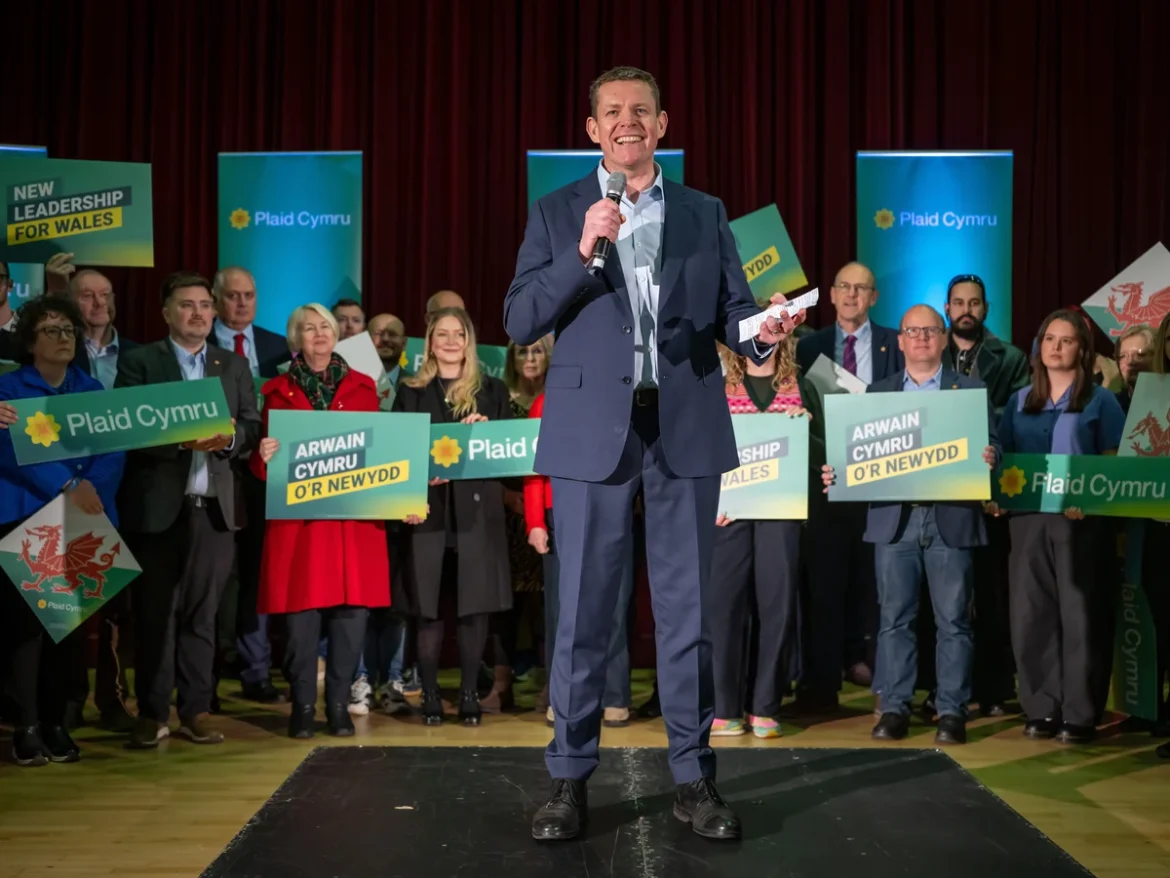
The tectonic plates of the United Kingdom’s constitution are groaning under immense pressure. As the country gears up for the local and devolved elections on the 7th of May, a scenario that was once confined to the fever dreams of political separatists is now being discussed in the sober, hushed tones of constitutional experts. For the first time in modern British history, it is entirely plausible that pro-independence nationalist parties could hold the reins of power simultaneously in Edinburgh, Cardiff, and Belfast. Political observers are not mincing their words; they are calling it a “seismic” moment, a potential “triple crown” that could reshape the very fabric of the Union.

The most immediate and potent threat lies in Scotland. Despite a period of internal turbulence, the Scottish National Party remains the dominant political force north of the border. John Swinney, the First Minister, has framed the May election as a referendum on Westminster’s competence. His message is simple and, for many Scottish voters, compelling: London has failed to deliver on its promises, and only full control over Scotland’s affairs can unlock the nation’s potential. The SNP’s campaign is not explicitly about a second independence referendum, but the subtext is unmistakable. A strong showing on the 7th of May will be presented as a mandate to restart the constitutional debate.

Pages: 1 2

Advertisement