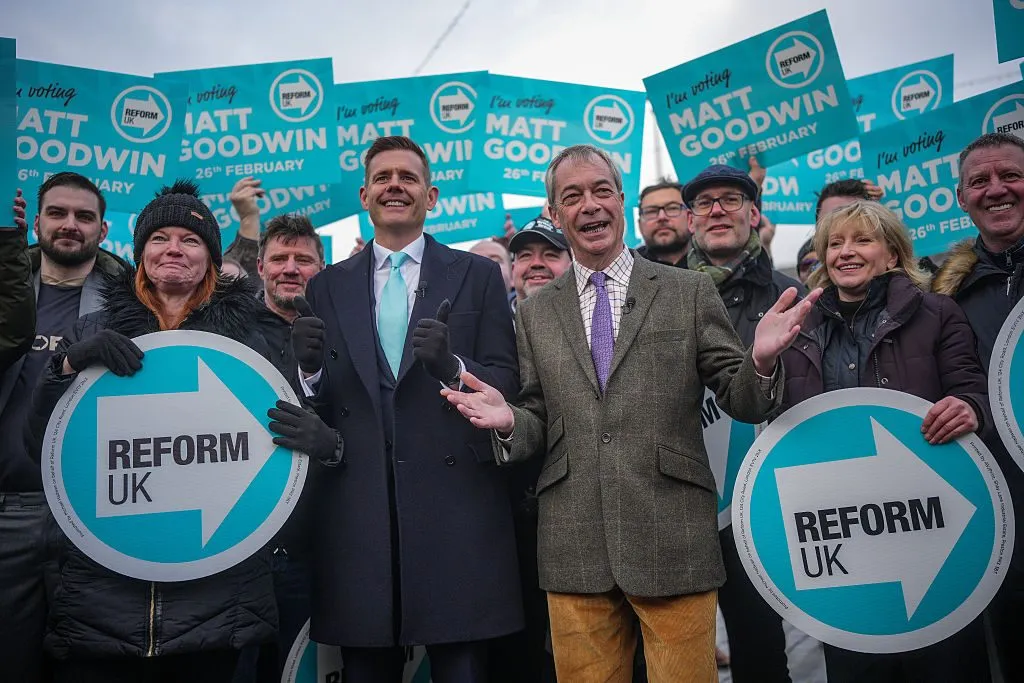
The political map of England is about to be redrawn, not by a boundary commission, but by the restless, unpredictable tides of voter discontent. The local elections on the 7th of May, which will see more than five thousand council seats contested across the country, are shaping up to be less of a traditional two-party contest and more of a multi-front insurgency. The big beasts of Westminster, Labour and the Conservatives, are looking over their shoulders with increasing anxiety as two very different political forces threaten to tear chunks out of their local government power bases. On the right, Reform UK is hoovering up disaffected former Tories. On the left, the Green Party is making inroads into Labour’s urban heartlands.
Advertisement
The rise of Reform UK is a phenomenon that has confounded the traditional polling models. The party, with its platform of populist nationalism, lower taxes, and a hard line on immigration, has tapped into a deep well of frustration among voters who feel that the Conservative Party has lost its way. In the local elections, this translates into a direct threat to Tory council majorities across the shires and the post-industrial towns of the North and Midlands. Reform candidates are not just taking votes from the Conservatives; they are also fielding a significant number of candidates in their own right, building a grassroots infrastructure that could have long-term implications for the political landscape. A strong showing for Reform on the 7th of May would send a shockwave through the Conservative Party and intensify the pressure on its leadership.