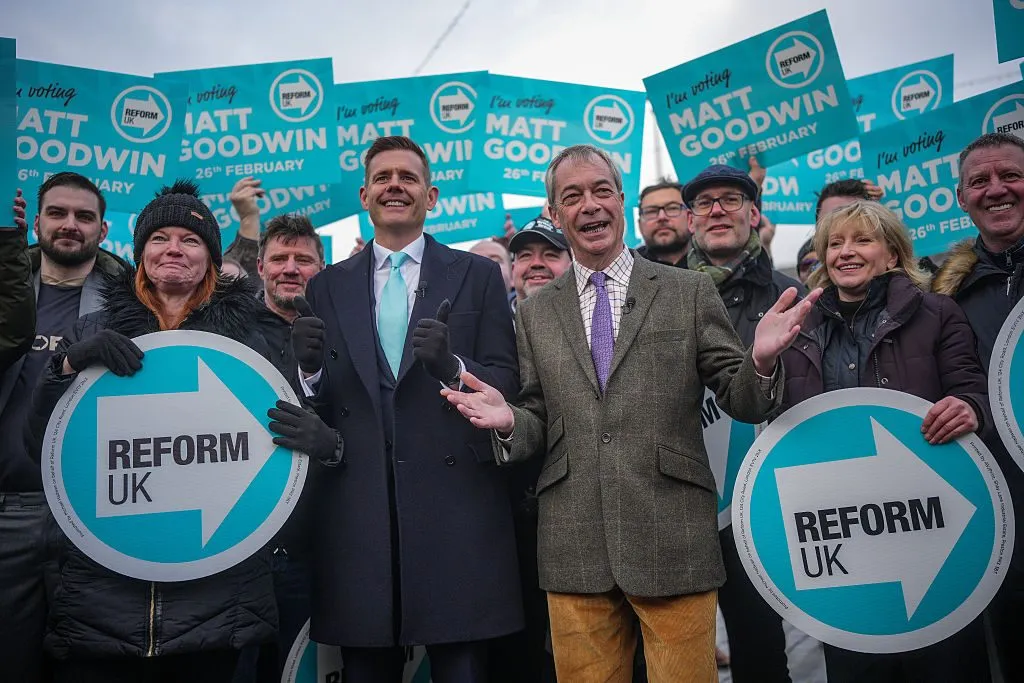
Simultaneously, on the other side of the political spectrum, the Green Party is mounting its own challenge. For years, the Greens were dismissed as a fringe movement, a repository for protest votes from well-meaning environmentalists. No longer. The party has been professionalising its operations and is now targeting specific Labour-held wards in cities like London, Bristol, and Manchester. Their message of radical climate action and social justice is resonating with a younger, more urban electorate that is increasingly disillusioned with Sir Keir Starmer’s cautious, centrist Labour Party. The Greens have already demonstrated their ability to win council by-elections, and they are now poised to make significant gains in the full local elections.
Advertisement
The result, according to some analysts, will be a “patchwork quilt” of local government. Councils that were once reliably dominated by a single party could find themselves in a state of no overall control, with power shared between a dizzying array of smaller parties and independents. This fragmentation makes local governance more complex and less predictable. For the national parties, the local elections are a vital barometer of public opinion. A drubbing at the hands of Reform and the Greens would be a devastating blow for both Labour and the Conservatives. It would signal that the era of two-party dominance is over and that the British electorate is splintering into a multitude of tribal loyalties. The 7th of May could be the day the political centre in England finally collapsed.