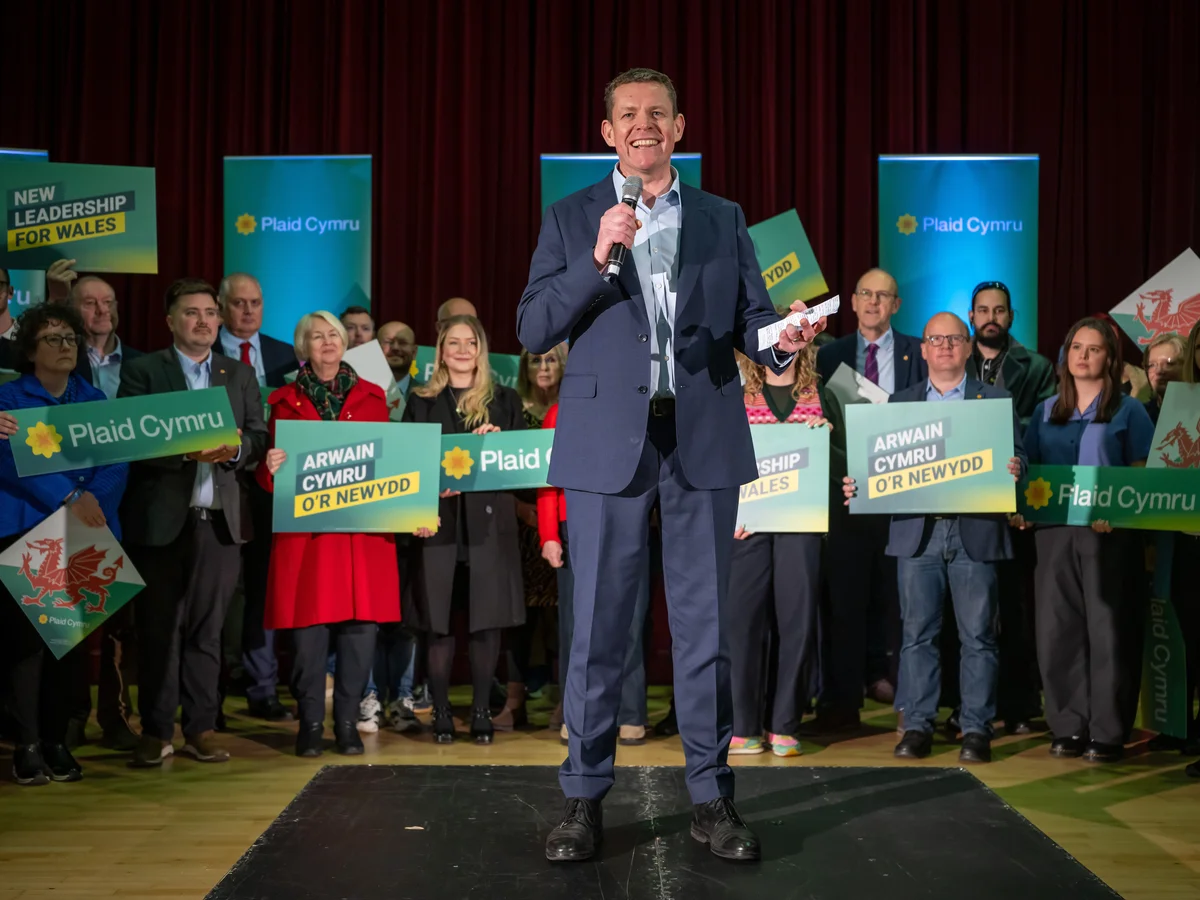
The situation in Wales is perhaps even more remarkable. Plaid Cymru, long the junior partner in a Labour-dominated Senedd, is polling at levels that suggest it could become the largest party in Cardiff Bay. This would be a political earthquake. It would signal a profound shift in Welsh public opinion, a rejection of Labour’s long-standing dominance and an embrace of a party whose ultimate goal is Welsh independence. The message resonating in the Valleys and the rural West is one of distinct Welsh identity and frustration with a Westminster government that feels remote and unresponsive. An independent Wales is no longer a fringe fantasy; it is a subject of serious political debate.
Advertisement
And then there is Northern Ireland, where the delicate balance of power is tipping. Sinn Féin, the party that campaigns for a united Ireland, is now firmly established as the largest party in the region. Their call for a border poll on Irish unification is backed by electoral dominance and, crucially, by favourable demographic trends. The triple crown scenario is not just about three separate nationalist movements; it is about a collective challenge to the very idea of a United Kingdom. For the Prime Minister in Downing Street, this is a waking nightmare. The tools to counter these centrifugal forces are blunt and largely ineffective. He can promise more money, but the Treasury is empty. He can appeal to British patriotism, but that appeal is falling on increasingly deaf ears in the nations of the Celtic fringe. The 7th of May could be the day the United Kingdom began its slow, agonising, and perhaps irreversible, unravelling.