Home Uncategorized
Category:

Uncategorized

Advertisement

For many pensioners in the UK, the start of each month is the time when they check their bank statements to see if there has been any change in the amount of their payments. In 2026, such changes did indeed take place, but they are not always the same for everyone and often turn out to be less obvious than they seem at first glance.
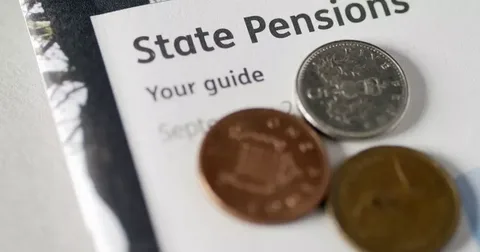
From April 2026, the State Pension was increased by 4.8% under the so-called ‘triple lock’ mechanism, which takes into account wage growth, inflation or a fixed 2.5% – whichever is higher.
As a result, the full amount of the new State Pension has risen to approximately £241.30 per week (around £965 per month), whereas a year earlier it stood at £230.25.
For those receiving the old basic pension, the amount has increased to £184.90 per week.
At first glance, this looks like a significant increase. However, the actual increase in income can vary greatly between different pensioners. The reason is that in the UK, the size of the pension depends directly on the number of years of National Insurance contributions.
To receive a full new pension, a minimum of 35 years of contributions is required. A minimum of 10 years, however, entitles the recipient to only a partial payment.
This is precisely why two people with similar employment histories may receive completely different amounts. In some cases, the difference can be more than £100 a month, particularly if there are gaps in their employment history or periods of low income.

The system of top-ups also plays a significant role. For example, pensioners on low incomes can claim Pension Credit – a state benefit that boosts their total income up to a set minimum level.

It is precisely because of these top-ups that some pensioners may see a more significant increase in their income — sometimes it really does amount to tens of pounds a week. However, it is important to understand that this is not a universal increase, but the result of an individual recalculation.

Another factor that often causes confusion is tax. The state pension in the UK is considered taxable income. Although tax is not usually deducted automatically, it may be levied on other sources of income, which affects the final net amount received.

As a result, some pensioners may not even notice an increase in payments or may see only a small difference.

In practice, the easiest way to find out if your pension has changed is to check your personal State Pension forecast or compare your latest payments.

There are a few points worth noting:
— has the weekly amount changed
— are there any additional payments
— have there been any tax-related adjustments

If there are no changes, this does not always mean there is an error — recalculations often take place gradually.

It is also important to remember that the state pension in the UK was originally intended as a basic level of income. It covers only essential expenses and does not always maintain the same standard of living.

This is precisely why, for many pensioners, even a small increase in payments makes a noticeable and significant difference.

Overall, the situation in 2026 shows that, despite a formal increase, the real growth in income depends on a variety of factors — length of service, supplementary payments and tax circumstances. And it is precisely these details that determine whether a particular pensioner will see a noticeable increase or only a minor change.

Advertisement

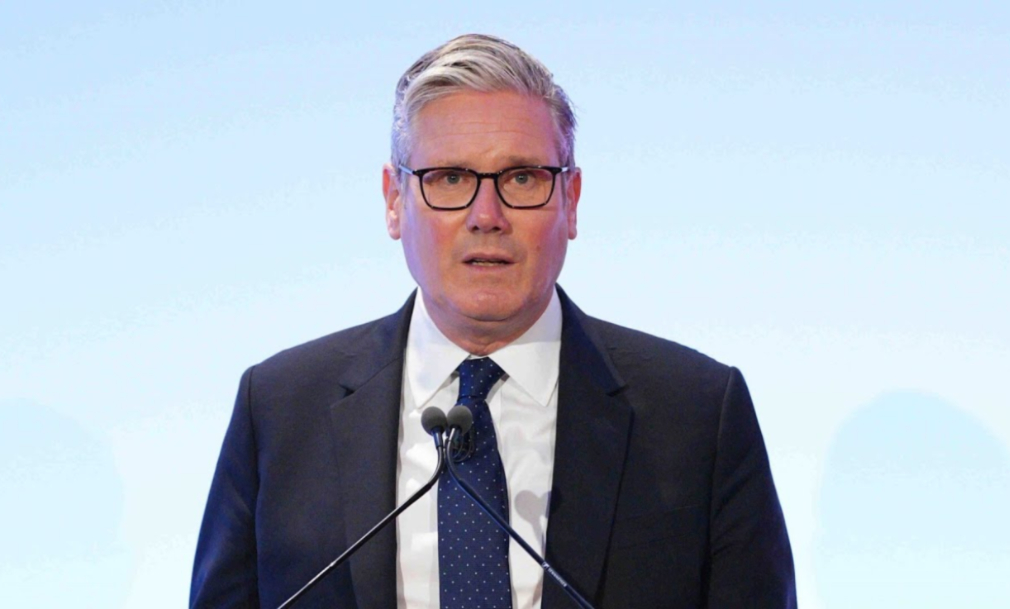
Unexpected Moment During Keir Starmer’s Speech Sparks Reaction Across the UK

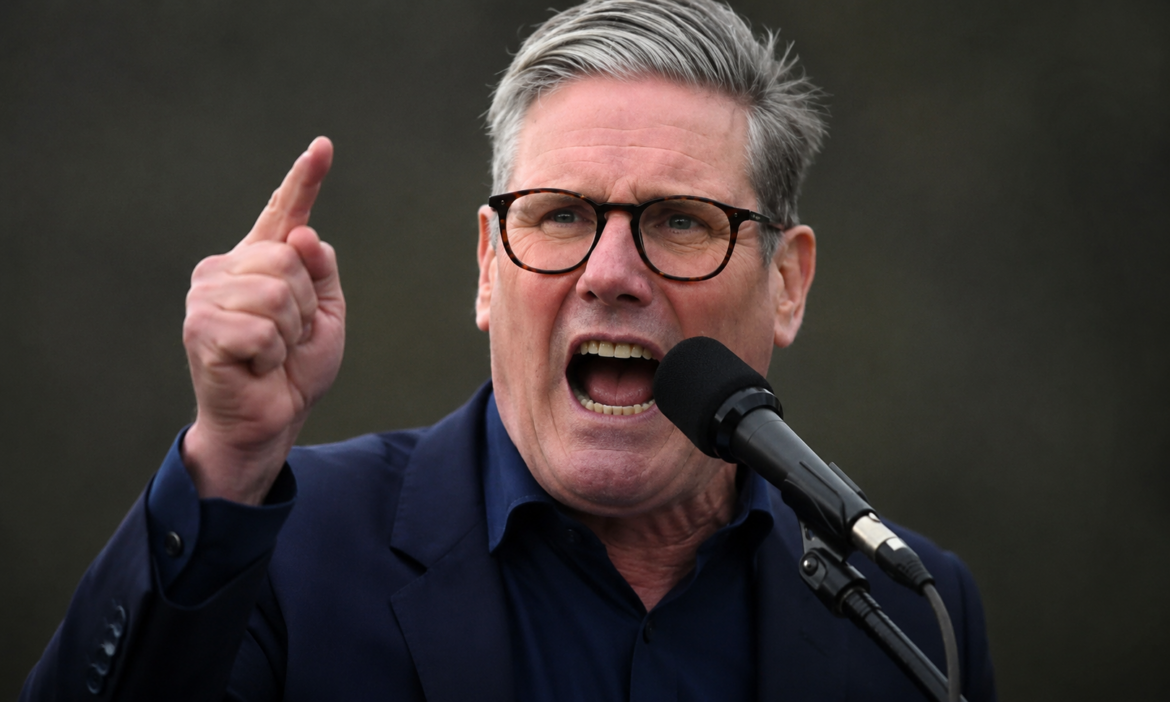
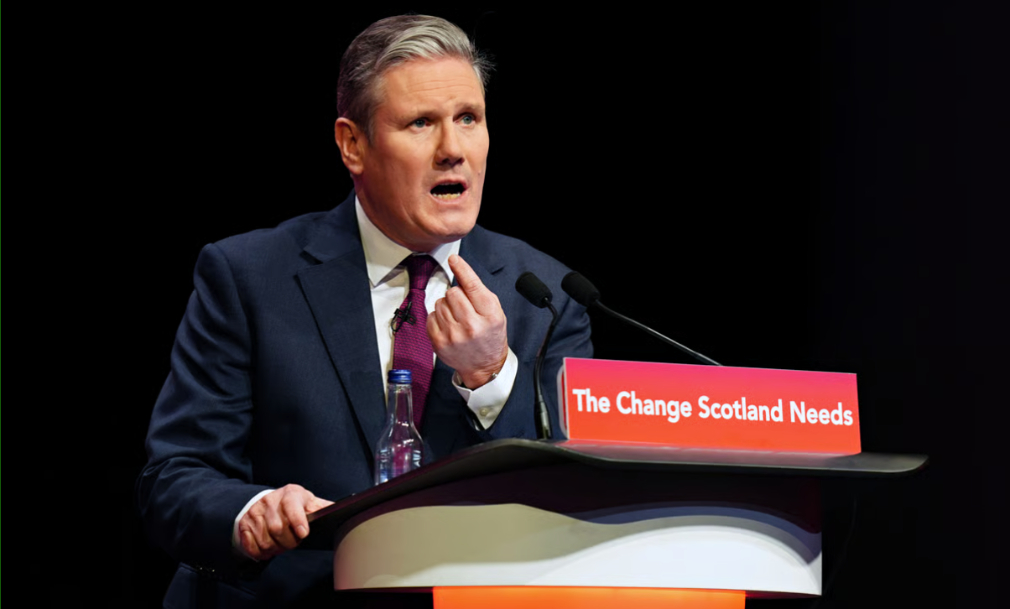
LONDON — UK Prime Minister Keir Starmer found himself in the spotlight following a speech that sparked a wave of discussion across the country.

During a public address focusing on personnel decisions and government transparency, one moment in particular caught the audience’s attention.

What Exactly Did Viewers See?

The broadcast began slightly before the official start. At that point, the microphones were already live, and Starmer mentioned that he had previously ‘relied on information that turned out to be incomplete’.

Although government representatives later explained that he was referring to the decision-making process, this episode quickly went viral on social media and became a topic of discussion.

A Brief Glitch — And Many Questions

After the main part of the speech, the broadcast was briefly interrupted. The broadcasters attributed this to technical issues, but the timing—coinciding with key statements—sparked further interest among the audience.

Users actively discussed the incident, trying to understand whether it was an accident or simply an unfortunate coincidence.

Why It’s Making Headlines

With heightened scrutiny of the government’s actions, even minor details of public speeches can quickly become the subject of widespread debate.

Political analysts note that such moments increase pressure on the authorities and heighten interest in their decisions.

The Wider Context

The speech took place against a backdrop of discussions surrounding appointments and vetting procedures for officials.

Starmer emphasised that he intends to increase transparency and ensure stricter standards for decision-making.

What This Might Mean

The incident shows just how closely the public is watching the actions of leaders and how quickly isolated incidents can escalate into a major debate.

Even brief moments on air today are capable of changing perceptions of the political agenda.


Advertisement