Home Author
Author

Odell Chauncey

Advertisement

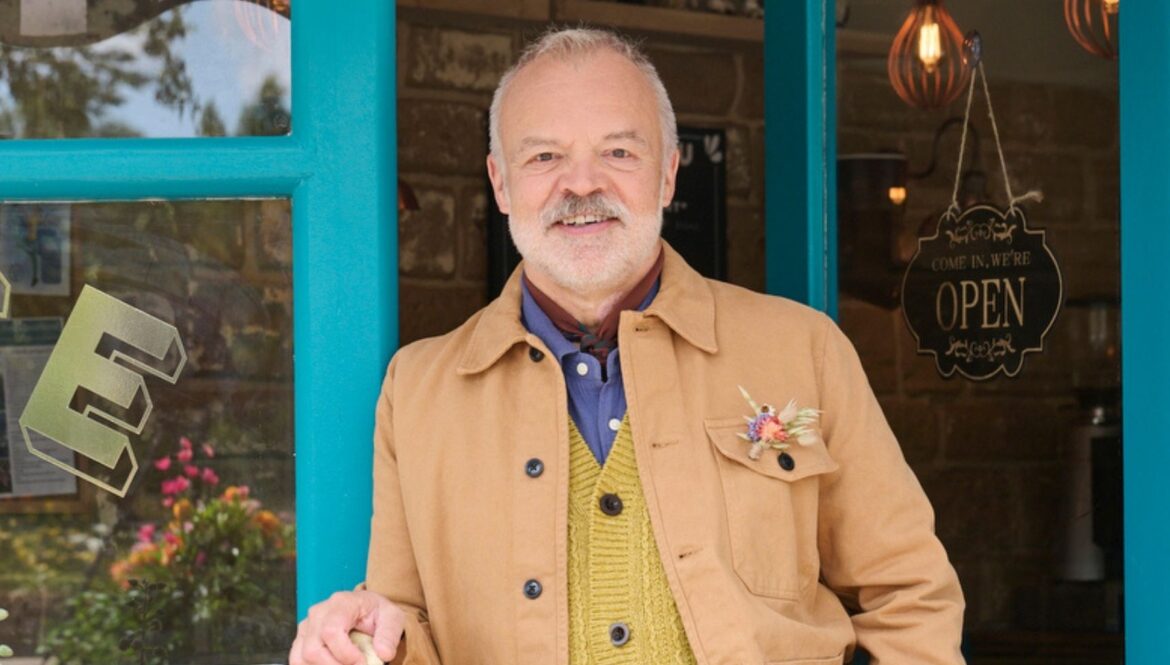
The king of the Friday night chat show is stepping out from behind his famous red sofa and onto the manicured lawns and into the living rooms of suburban Britain. Graham Norton, the BAFTA-winning broadcaster whose name is synonymous with A-list anecdotes and Eurovision commentary, is fronting a brand new, high-stakes reality game show for ITV called The Neighbourhood. The trailers have been teasing us for weeks with glimpses of “epic challenges” and “relatable domestic drama,” and now the wait is almost over. The show is set to premiere on ITV1 and ITVX on Friday, the 24th of April, with a bumper launch weekend that promises three consecutive nights of competitive chaos.

The premise is deceptively simple but fiendishly clever. Forget isolated tropical islands or sterile studio environments. The Neighbourhood takes the competition directly to the streets where people actually live. Households and families compete against each other in a “street-sized reality game,” with the action unfolding on their own doorsteps and in their own gardens. It is a concept that marries the voyeuristic appeal of shows like Gogglebox with the tactical gameplay of The Traitors. According to the producers at Lifted Entertainment and The Garden, the show is designed to be “authentic, immersive, and rooted in real relationships.” In other words, it is about how far ordinary people are willing to go to win a life-changing cash prize when the competition is literally living next door.

Pages: 1 2

Advertisement

For a generation of football fans, the weekend ritual was sacred. It involved a television tuned to Sky Sports, the familiar strains of the Soccer Saturday theme tune, and the reassuring, authoritative tones of Jeff Stelling guiding them through the chaos of the afternoon kick-offs. The man was a fixture, a reassuring presence in a world of VAR controversies and managerial sackings. So, the news that Stelling, at the age of seventy-one, is swapping the punditry sofa for the open road—specifically, the arduous, low-budget challenge of the BBC’s Celebrity Race Across the World—has landed with the force of a pleasingly unexpected transfer deadline day deal. And he is not going it alone; he is bringing his son, Matthew, along for the ride.

The show’s format is a brutal test of patience, resourcefulness, and familial bonds. Contestants are dropped in a remote part of the world with a limited budget and told to reach a final destination using nothing but land and sea transport. No flights, no smartphones, and no luxury hotels. It is the antithesis of the pampered, five-star existence that most celebrities enjoy. For Stelling, who spent twenty-nine years in the climate-controlled comfort of a television studio, it represents a leap into the complete unknown. The thought of the man who calmly announced “there’s been a goal at the John Smith’s Stadium” trying to navigate a rickety bus network in rural South America or haggling for a hostel bed in Southeast Asia is the kind of television gold that the BBC’s commissioning editors dream of.

Pages: 1 2

Advertisement

The number crunchers at Vanguard, the global investment behemoth that manages trillions of dollars on behalf of pension funds and ordinary savers, are not known for hyperbole or scaremongering. They are the adults in the room, the sensible, low-cost index fund providers who speak in the measured tones of long-term asset allocation. So when Vanguard takes a red pen to its economic forecasts, the Square Mile sits up and pays very close attention. The latest update to their UK outlook makes for grim reading. They have slashed their projection for British GDP growth in 2026 to a paltry 0.6 percent. That is not a typo. It is a number that is perilously close to zero, a statistical rounding error away from a stagnant economy.

The reasoning behind this downgrade is a litany of familiar, if depressing, factors. Vanguard’s analysts point to the twin headwinds of persistent inflation and the lagged effect of higher interest rates. While the Bank of England may be done hiking, the pain of the hikes already delivered is only now fully working its way through the corporate and household financial plumbing. Businesses are deferring investment decisions, waiting for a clearer picture of demand that stubbornly refuses to materialise. Consumers are hoarding whatever cash they have left, with the household savings ratio creeping up as people batten down the hatches in anticipation of further economic storms. The “animal spirits” of capitalism, that intangible confidence that drives risk-taking and expansion, are conspicuous by their absence in the UK economy.

Pages: 1 2

Advertisement

A curious calm has descended upon the trading desks of the Square Mile. For weeks, the screens had been a blur of red and green as analysts frantically revised their interest rate models in response to the escalating crisis in the Strait of Hormuz. At one point, the conventional wisdom was that the Bank of England would be forced into a panicked series of hikes, pushing the base rate above four and a half percent to combat a rerun of the 1970s oil shock. But as the diplomatic cables between Washington and Tehran have flickered with the faint hope of de-escalation, the City’s money men have performed a sharp and collective U-turn. The new consensus, whispered over flat whites in the coffee houses of Bishopsgate, is that we might only see one more rate hike this year, and that might be it.

This dramatic repricing of risk is a testament to the fickle nature of market sentiment. When the world looks like it is about to tip into a wider Middle Eastern war, the price of money goes up. When the world looks like it might just muddle through with a fragile ceasefire, the price of money comes down. It is a logic that is entirely divorced from the reality of life for most British businesses and households, but it governs the cost of their borrowing nonetheless. The futures markets, which just a month ago were pricing in three or even four further quarter-point increases from the Bank of England, have now dialled back those expectations significantly. The new baseline scenario is a single, precautionary hike, perhaps in the summer, followed by a long, flat plateau.

Pages: 1 2

Advertisement

The nine men and women of the Bank of England’s Monetary Policy Committee emerged from their deliberations in Threadneedle Street this month with a decision that was both expected and yet deeply uncomfortable. The base rate remains anchored at 3.75 percent. It is a hold, a pause, a moment of stasis in a cycle that has been anything but static. But the minutes of the meeting and the subsequent press conference from Governor Andrew Bailey painted a picture of an institution trapped between a rock and a hard place, with the rock being a fresh energy price shock and the hard place being a comatose domestic economy.

The culprit for the Bank’s current discomfort lies thousands of miles from the rainy streets of London. The conflict in the Middle East has sent tremors through the global energy complex. While the UK is not directly dependent on Iranian oil in the way some European nations are, the law of global commodity markets is an unforgiving one. Fear and disruption in the Strait of Hormuz translate directly into higher prices for Brent crude, which in turn flows straight into the cost of filling up the family car and heating the home. The Bank of England’s own forecasts have had to be hastily rewritten to account for this external shock. Inflation, which had been gradually and painfully trending downwards towards that elusive two percent target, is now expected to spike back up towards 3.5 percent in the third quarter of the year. This is the “second-round effect” that keeps central bankers awake at night: the fear that higher energy costs will embed themselves in the wage bargaining process and create a self-perpetuating inflationary spiral.

Pages: 1 2

Advertisement

If you are one of the millions of British homeowners whose fixed-rate mortgage deal is due to expire in the coming weeks, you might want to sit down before you open that letter from your lender. The era of cheap money, that distant, hazy memory of sub-two percent mortgages and carefree remortgaging, is now firmly in the rear-view mirror. As we trudge through what financial commentators have grimly dubbed “Awful April,” the average two-year fixed-rate mortgage has crept uncomfortably close to the six percent mark. It is a psychological and financial threshold that is sending shockwaves through the suburban semis and city flats of middle England.

The mechanics of this squeeze are brutally simple. The Bank of England’s base rate, currently parked at 3.75 percent, remains significantly higher than the near-zero levels that defined the post-financial crisis landscape. While the Bank has paused its hiking cycle for now, the damage has already been done to the swap rates—the wholesale cost of borrowing that lenders use to price their mortgage products. Those swap rates have been stubbornly high, reflecting market fears that inflation is stickier than anticipated and that interest rates will need to remain elevated for longer than anyone hoped. The result is that the margin between the Bank Rate and what you actually pay for a home loan has widened, and the lenders are passing that cost on to the customer with ruthless efficiency.

The implications for household budgets are severe. Consider the average UK property with a typical outstanding mortgage balance. For a borrower rolling off a five-year fix secured in the halcyon days of 2021 at around 1.8 percent, the jump to a new deal at 5.9 percent represents a monthly payment increase measured in the hundreds of pounds. For many families, this is not a discretionary expense they can trim; it is the roof over their heads. This “mortgage time bomb” has been ticking for the past two years, but the sheer volume of deals expiring in the 2026 calendar year means the explosion is now happening in slow motion across the nation. It is a stealth tax on the aspirational middle class, a group that has already been battered by frozen tax thresholds and the relentless rise in the cost of the weekly shop.

Pages: 1 2

Advertisement

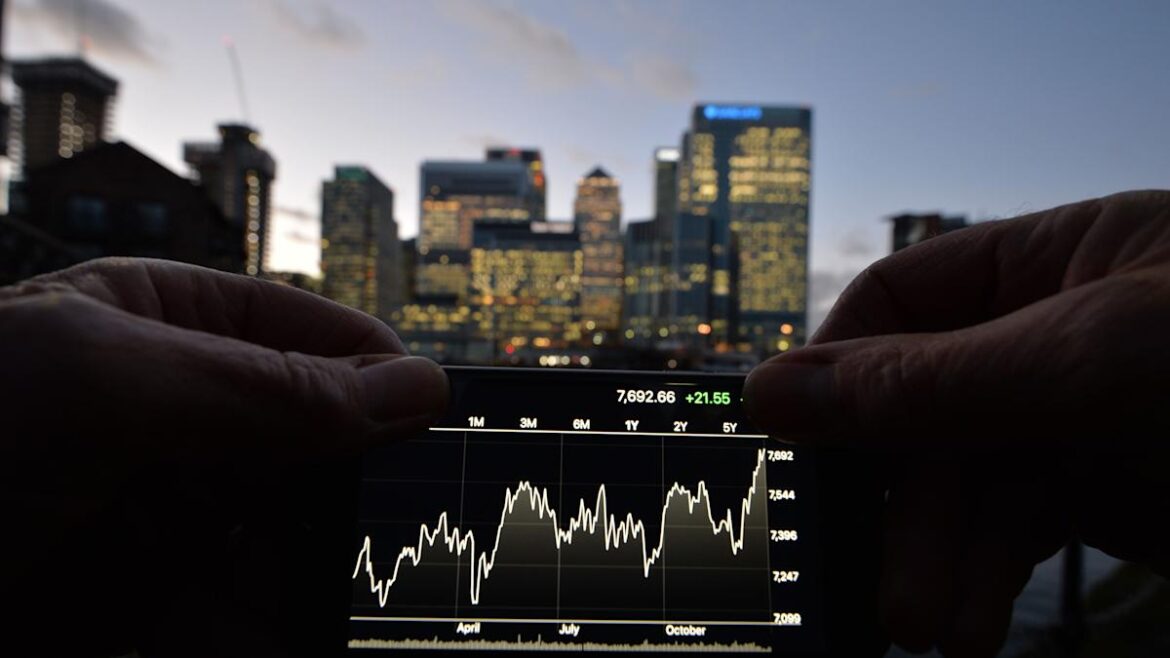
The trading floors of Canary Wharf have been awash with a curious blend of relief and cautious optimism this week, as the FTSE 100 staged a spirited rally that caught more than a few short-sellers off guard. The index of Britain’s biggest listed companies has been climbing steadily, shrugging off the lingering geopolitical anxieties that have dogged markets since the turn of the year. The reason for this sudden outbreak of bullishness is not, as one might hope, a sudden explosion of productivity in the British economy or a miraculous resolution to our long-standing structural issues. No, the City is pinning its hopes on something altogether more prosaic but deeply significant: the growing expectation that central bankers on both sides of the Atlantic are preparing to take their feet off the monetary brakes.

The narrative driving the rally is built around the Federal Reserve’s September meeting. Across the pond, the American central bank has been wrestling with its own set of inflation demons, but the mood music from Washington has shifted subtly in recent weeks. Whispers of a “pause” in the rate-hiking cycle have grown louder, fuelled by data suggesting that the aggressive tightening of the past eighteen months is finally starting to bite into the real economy. American consumers are showing signs of fatigue, and the once red-hot labour market is cooling to a more manageable simmer. For the FTSE 100, this matters enormously. The index is packed with multinational giants, banks, and commodity houses whose fortunes are tied far more closely to global interest rates and the value of the US dollar than to the health of the British high street. When the Fed signals it might stop tightening, the dollar often weakens, which in turn boosts the sterling value of those dollar-denominated earnings that flow back to London. It is a classic currency trade dressed up in a pinstripe suit.

However, let us not get carried away with the popping of champagne corks just yet. This is not a rally built on the solid foundations of British economic resurgence. Look beneath the surface of the FTSE 100’s recent gains and you will find a market that is being carried aloft by a relatively narrow band of heavyweights. The banks, buoyed by the prospect of a higher-for-longer interest rate environment that preserves their net interest margins, have done much of the heavy lifting. The mining giants have also chipped in, with copper and iron ore prices remaining surprisingly resilient despite the gloom surrounding Chinese demand. But the broader UK economy, the one that actual people living in actual towns have to navigate, remains stuck in a rut. Growth forecasts have been trimmed relentlessly, and the purchasing managers’ indices, those reliable barometers of business sentiment, are flashing amber warnings about the services sector.

Pages: 1 2

Advertisement

Older Posts