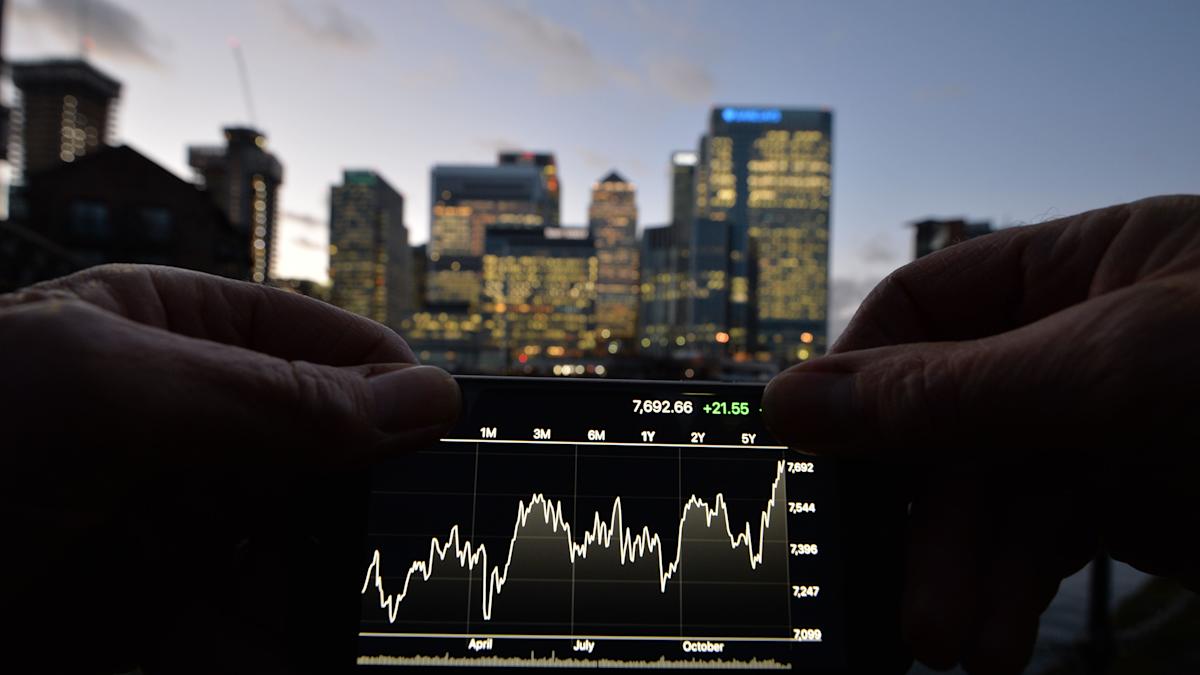
The trading floors of Canary Wharf have been awash with a curious blend of relief and cautious optimism this week, as the FTSE 100 staged a spirited rally that caught more than a few short-sellers off guard. The index of Britain’s biggest listed companies has been climbing steadily, shrugging off the lingering geopolitical anxieties that have dogged markets since the turn of the year. The reason for this sudden outbreak of bullishness is not, as one might hope, a sudden explosion of productivity in the British economy or a miraculous resolution to our long-standing structural issues. No, the City is pinning its hopes on something altogether more prosaic but deeply significant: the growing expectation that central bankers on both sides of the Atlantic are preparing to take their feet off the monetary brakes.
Advertisement
The narrative driving the rally is built around the Federal Reserve’s September meeting. Across the pond, the American central bank has been wrestling with its own set of inflation demons, but the mood music from Washington has shifted subtly in recent weeks. Whispers of a “pause” in the rate-hiking cycle have grown louder, fuelled by data suggesting that the aggressive tightening of the past eighteen months is finally starting to bite into the real economy. American consumers are showing signs of fatigue, and the once red-hot labour market is cooling to a more manageable simmer. For the FTSE 100, this matters enormously. The index is packed with multinational giants, banks, and commodity houses whose fortunes are tied far more closely to global interest rates and the value of the US dollar than to the health of the British high street. When the Fed signals it might stop tightening, the dollar often weakens, which in turn boosts the sterling value of those dollar-denominated earnings that flow back to London. It is a classic currency trade dressed up in a pinstripe suit.
However, let us not get carried away with the popping of champagne corks just yet. This is not a rally built on the solid foundations of British economic resurgence. Look beneath the surface of the FTSE 100’s recent gains and you will find a market that is being carried aloft by a relatively narrow band of heavyweights. The banks, buoyed by the prospect of a higher-for-longer interest rate environment that preserves their net interest margins, have done much of the heavy lifting. The mining giants have also chipped in, with copper and iron ore prices remaining surprisingly resilient despite the gloom surrounding Chinese demand. But the broader UK economy, the one that actual people living in actual towns have to navigate, remains stuck in a rut. Growth forecasts have been trimmed relentlessly, and the purchasing managers’ indices, those reliable barometers of business sentiment, are flashing amber warnings about the services sector.