Home Author
Author

Odell Chauncey

Advertisement

The weather charts are a sea of orange and red, and the meteorologists at the Met Office are reaching for their superlatives. The United Kingdom is on the cusp of experiencing its warmest start to the month of April in six long years. A broad swathe of the country, from the south coast of England all the way up to the central belt of Scotland, is set to enjoy temperatures that are significantly above the seasonal norm. For a nation whose favourite pastime is discussing the weather, this is headline news of the highest order.

The numbers are genuinely impressive. Forecasters are predicting widespread highs of between 18 and 23 degrees Celsius across much of the country. That is a full ten degrees above the typical early April average, which tends to hover in the rather less inspiring range of 12 to 15 degrees. Some areas in the south and east of England could even touch 26 degrees, challenging the all-time April record of 26.1 degrees set way back in 1946. The cause of this meteorological largesse is a classic setup: an area of high pressure anchored over the continent is acting as a conveyor belt, dragging warm, settled air up from the south. It is a pattern more typically associated with high summer than early spring.
Pages: 1 2

Advertisement

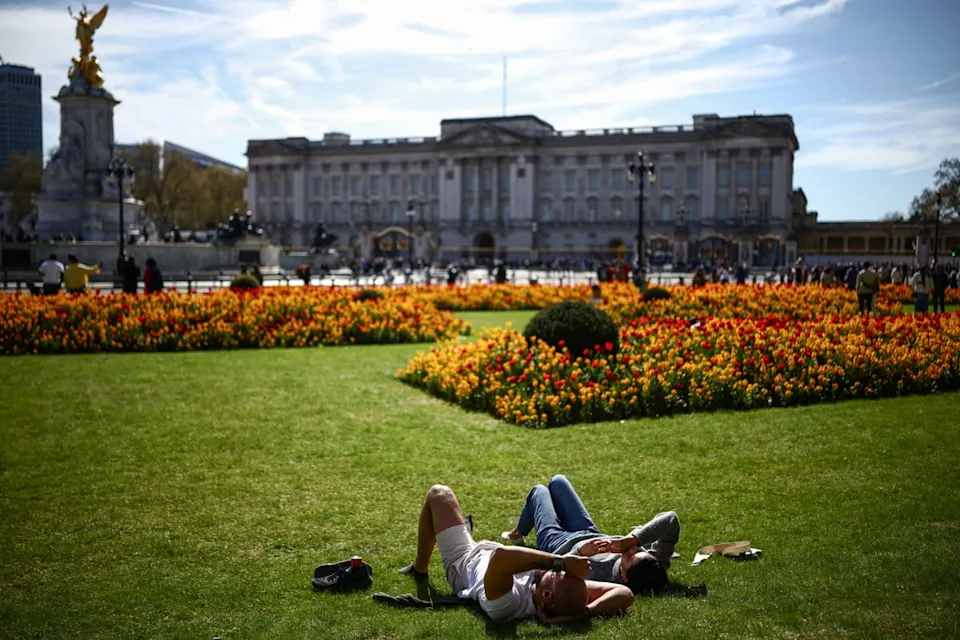
Put away the winter coats and dig out the sun cream. The meteorological gods have decided to smile upon the British Isles, delivering a blast of unseasonable warmth that is set to send temperatures soaring. And in a twist of climatic irony that is almost too delicious to resist, the capital city of London is forecast to be hotter than the sun-drenched party island of Ibiza. The Met Office has confirmed that a plume of warm air, sweeping up from the south, will push the mercury in the capital to the mid-twenties, comfortably eclipsing the more modest temperatures expected in the Balearics.

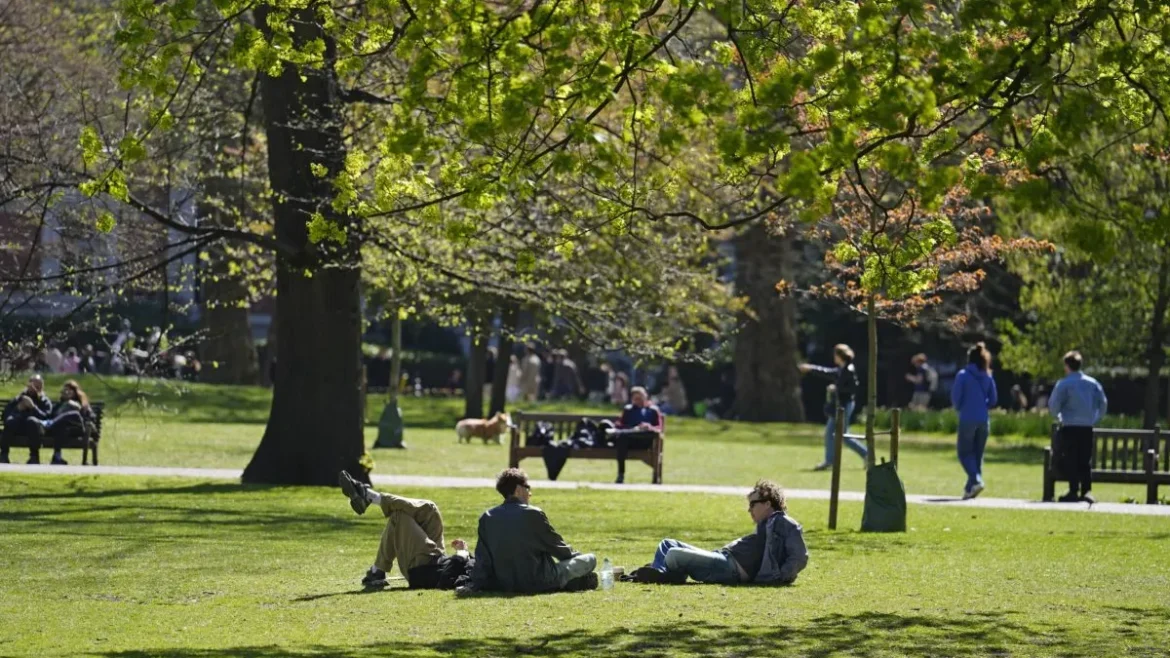
The timing of this mini-heatwave is particularly welcome. After a damp, grey start to the spring, and the recent battering from Storm Dave in the north, the prospect of clear blue skies and genuine warmth is a much-needed tonic. Londoners, a hardy breed accustomed to enduring the crush of the Central Line in all weathers, are being urged to decamp to the city’s parks and green spaces. The deckchairs in St James’s Park and the grassy slopes of Primrose Hill are expected to be at a premium. The gentle hum of distant traffic will be replaced by the sizzle of barbecues and the delighted shrieks of children discovering that yes, it is actually possible to feel the warmth of the sun on your skin in early April.

Pages: 1 2

Advertisement

The slow, agonising decline of local journalism in the United Kingdom has been one of the most damaging and under-reported stories of the past two decades. Hundreds of local newspapers have closed their doors, their printing presses silenced and their newsrooms turned into trendy coffee shops or luxury flats. The result has been the emergence of so-called “news deserts”—communities that have no dedicated local news outlet to hold their councils to account, report on local courts, or simply celebrate the achievements of the local football team. In a belated attempt to address this democratic deficit, the government has announced a new Local Media Strategy, backed by a £12 million fund designed to breathe new life into local journalism.

The scale of the problem is staggering. Government estimates suggest that up to 37 local authority districts in the UK now lack a dedicated print, online, radio, or television news service focused on their area. This means that an estimated 4.4 million people are living in a news desert. They are reliant on social media rumours, national news outlets that rarely venture beyond the M25, or, in the worst cases, no news at all. This vacuum of information is a breeding ground for misinformation and cynicism. It weakens local democracy by removing the scrutiny that keeps councillors and public officials honest. It erodes the sense of community and shared identity that local papers once fostered.

Pages: 1 2

Advertisement

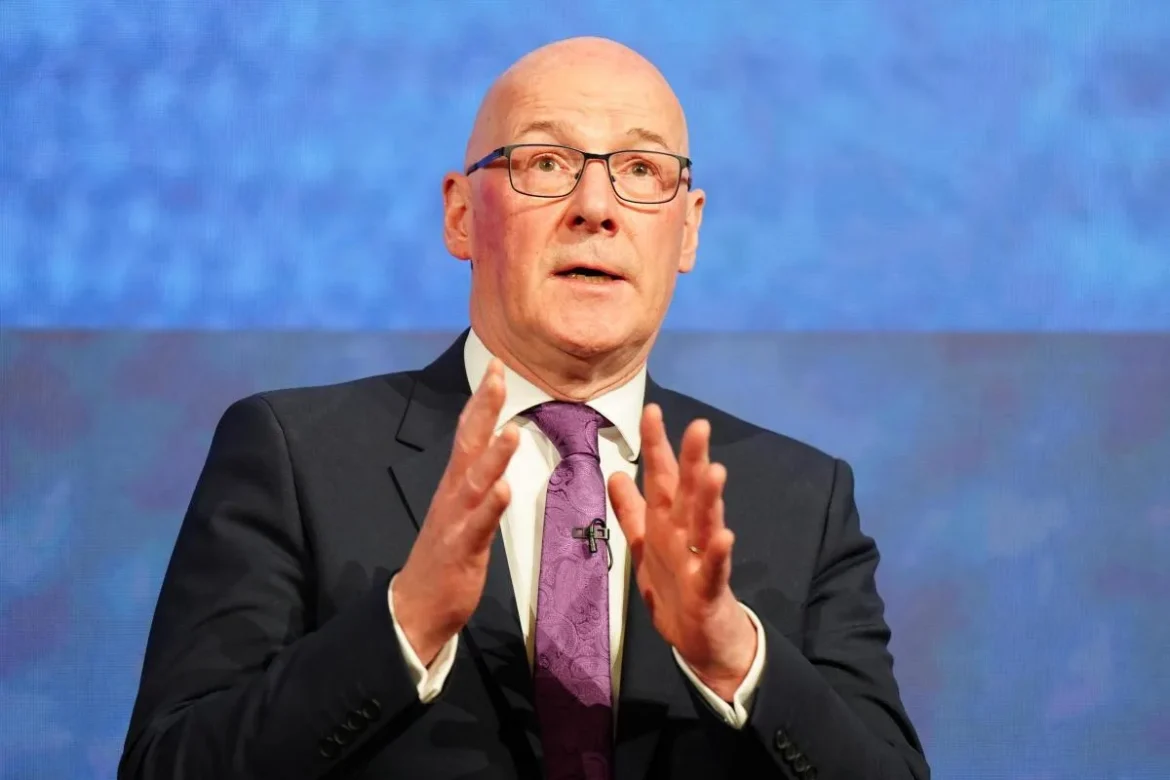
As the conflict in the Middle East sends tremors through the global energy markets, the cost of filling up the family car has once again become a source of acute financial pain for millions of British households. The price at the pump, which had been slowly and mercifully drifting downwards, has reversed course, climbing back towards levels that induce a sharp intake of breath. Into this crisis has stepped Scotland’s First Minister, John Swinney, with a political demand that is as blunt as it is predictable. The SNP has launched a major campaign calling on the UK Government in Westminster to cut fuel prices and scrap a planned increase in fuel duty.

Swinney’s argument is straightforward and, on the surface, difficult to argue with. He contends that the UK Government has the power to alleviate the financial burden on motorists and businesses by reducing the tax take on fuel. He points to the economic turmoil caused by the conflict in the Middle East and argues that now is not the time for the Treasury to be taking a larger slice of the pie. The SNP’s demand includes the immediate scrapping of a planned fuel duty increase scheduled for later this year. It is a populist plea designed to resonate with voters in Scotland, particularly those in rural and remote communities who are heavily reliant on their cars and face some of the highest fuel prices in the UK.

Pages: 1 2

Advertisement

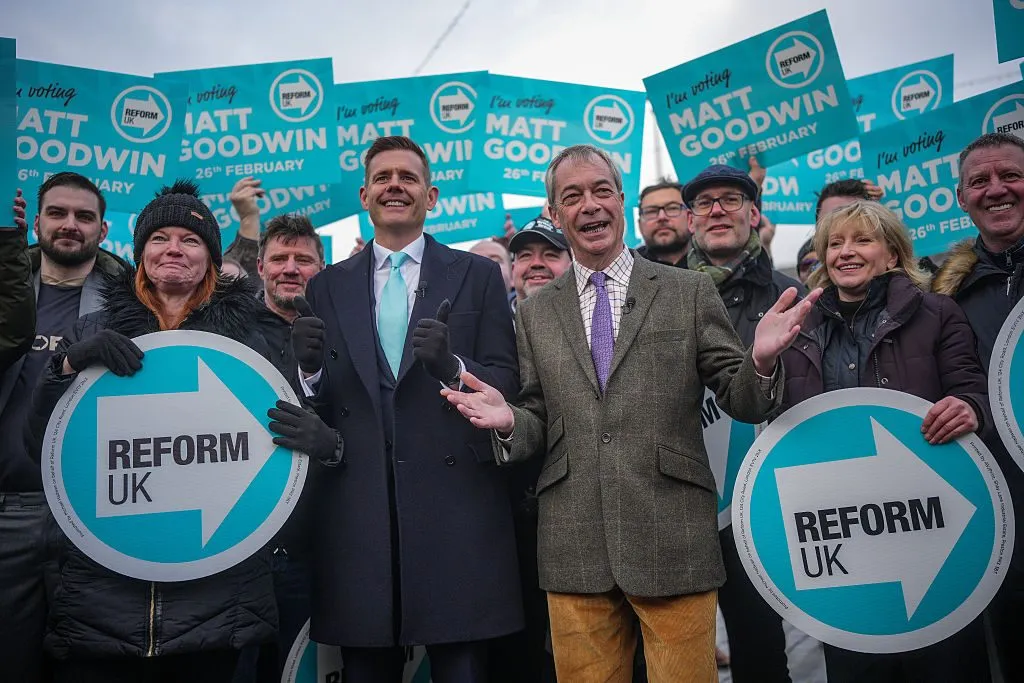
The political map of England is about to be redrawn, not by a boundary commission, but by the restless, unpredictable tides of voter discontent. The local elections on the 7th of May, which will see more than five thousand council seats contested across the country, are shaping up to be less of a traditional two-party contest and more of a multi-front insurgency. The big beasts of Westminster, Labour and the Conservatives, are looking over their shoulders with increasing anxiety as two very different political forces threaten to tear chunks out of their local government power bases. On the right, Reform UK is hoovering up disaffected former Tories. On the left, the Green Party is making inroads into Labour’s urban heartlands.

The rise of Reform UK is a phenomenon that has confounded the traditional polling models. The party, with its platform of populist nationalism, lower taxes, and a hard line on immigration, has tapped into a deep well of frustration among voters who feel that the Conservative Party has lost its way. In the local elections, this translates into a direct threat to Tory council majorities across the shires and the post-industrial towns of the North and Midlands. Reform candidates are not just taking votes from the Conservatives; they are also fielding a significant number of candidates in their own right, building a grassroots infrastructure that could have long-term implications for the political landscape. A strong showing for Reform on the 7th of May would send a shockwave through the Conservative Party and intensify the pressure on its leadership.

Pages: 1 2

Advertisement

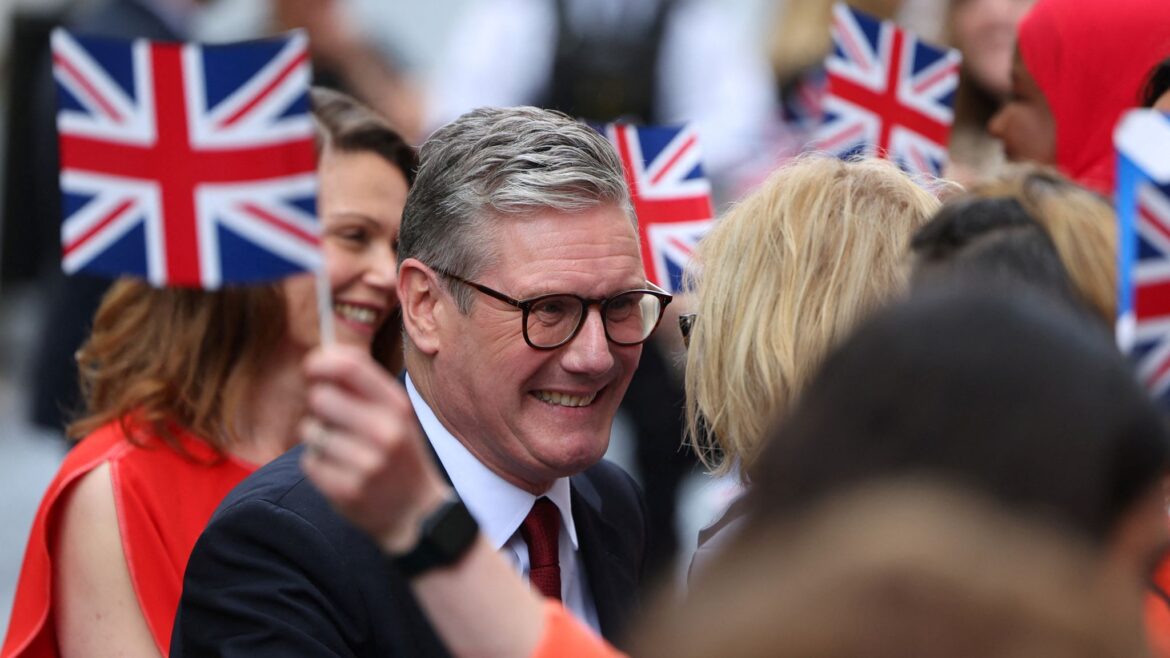
The ink on his election victory was barely dry before the Prime Minister, Sir Keir Starmer, was packing his bags and heading for the exits of Downing Street. His destination was not the sun-drenched beaches of a well-deserved holiday, but the windswept capitals of the devolved nations: Edinburgh, Cardiff, and Belfast. This was a whistlestop tour with a very specific and urgent purpose. Starmer was not on a victory lap; he was on a diplomatic rescue mission. His message, delivered with the earnest, slightly lawyerly conviction that has become his trademark, was a promise of an “immediate reset” of relations between Westminster and the governments of Scotland, Wales, and Northern Ireland.

The need for this reset is glaringly obvious. The relationship between the UK government and the devolved administrations has been, to put it mildly, fractious in recent years. The legacy of Brexit, the internal market act, and the bitter disputes over funding have left deep scars and a profound sense of mistrust. Starmer, who campaigned on a platform of healing the divisions within the country, knows that he cannot afford to govern as his predecessors did. He cannot simply dictate terms from London and expect the leaders in Edinburgh and Cardiff to fall into line. The political reality, especially with the threat of a nationalist surge in the May elections, demands a more collaborative, respectful approach.

Pages: 1 2

Advertisement

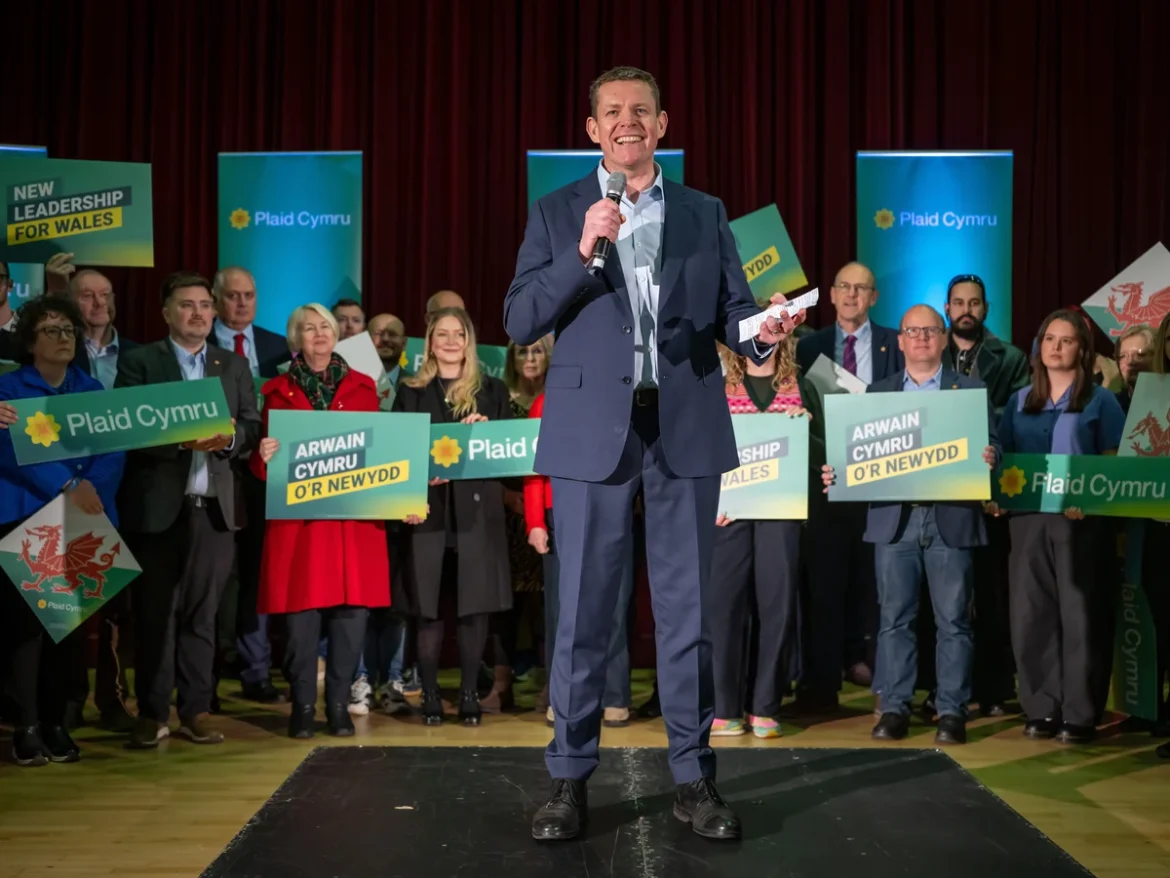
The tectonic plates of the United Kingdom’s constitution are groaning under immense pressure. As the country gears up for the local and devolved elections on the 7th of May, a scenario that was once confined to the fever dreams of political separatists is now being discussed in the sober, hushed tones of constitutional experts. For the first time in modern British history, it is entirely plausible that pro-independence nationalist parties could hold the reins of power simultaneously in Edinburgh, Cardiff, and Belfast. Political observers are not mincing their words; they are calling it a “seismic” moment, a potential “triple crown” that could reshape the very fabric of the Union.

The most immediate and potent threat lies in Scotland. Despite a period of internal turbulence, the Scottish National Party remains the dominant political force north of the border. John Swinney, the First Minister, has framed the May election as a referendum on Westminster’s competence. His message is simple and, for many Scottish voters, compelling: London has failed to deliver on its promises, and only full control over Scotland’s affairs can unlock the nation’s potential. The SNP’s campaign is not explicitly about a second independence referendum, but the subtext is unmistakable. A strong showing on the 7th of May will be presented as a mandate to restart the constitutional debate.

Pages: 1 2

Advertisement

The Scottish Highlands are bracing themselves for an invasion of the famous and the fragrant. The Traitors, the BBC’s smash-hit psychological reality game, has already established itself as a cultural phenomenon, a show that had the nation shouting at their televisions as ordinary members of the public lied, manipulated, and backstabbed their way to a potential prize pot. Now, the stakes are being raised even higher with a celebrity spin-off, and the show’s iconic, fringe-sporting host, Claudia Winkleman, has confirmed that the line-up for the 2026 edition is complete. The hunt for the celebrity faithful and traitors is about to begin.

Winkleman’s confirmation, delivered with her trademark blend of hushed urgency and barely suppressed glee, has sent the rumour mill into overdrive. While the official list of contestants remains a closely guarded BBC secret, the speculation is reaching fever pitch. The names being whispered in television circles are a tantalising mix of the great, the good, and the gloriously unpredictable. Whispers have included distinguished thespians like Downton Abbey’s Hugh Bonneville and the Oscar-nominated Richard E. Grant, actors who would bring a Shakespearean level of gravitas to the art of deception. The prospect of watching these pillars of the establishment trying to keep a straight face while accusing each other of murder in a draughty Scottish castle is almost too delicious to contemplate.

Pages: 1 2

Advertisement

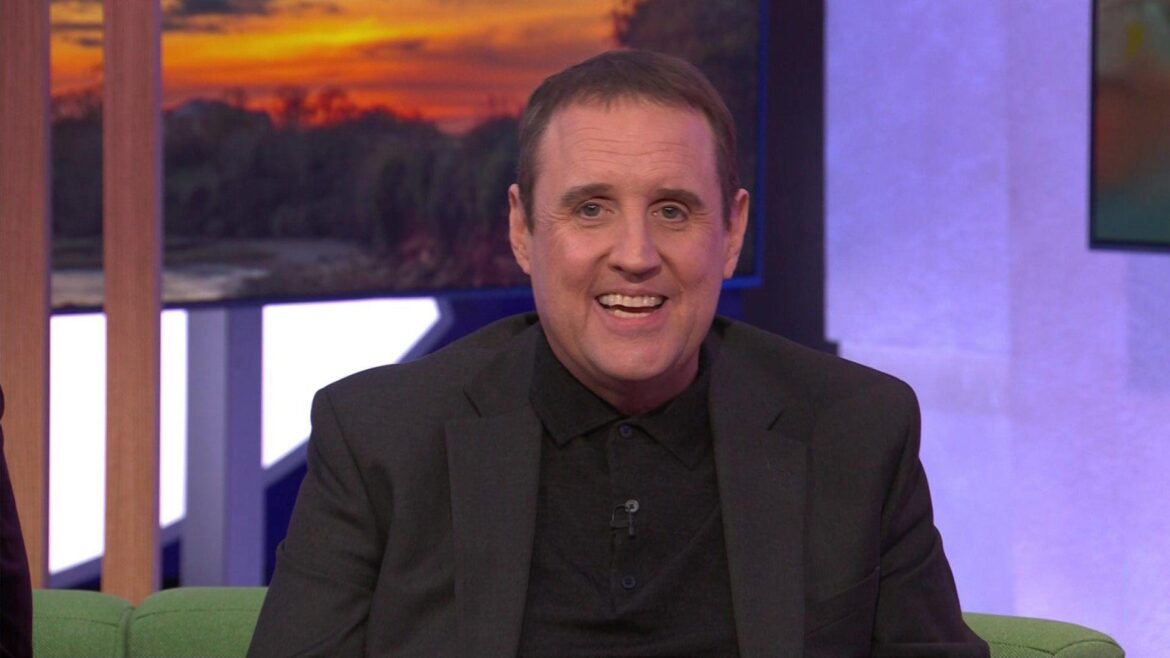
There are certain cultural touchstones that unite the British public in a warm, fuzzy glow of collective nostalgia. The children’s television show Balamory is one of them. For anyone who raised a toddler in the early noughties, the names of the brightly coloured houses and the eccentric residents of that fictional Scottish island are etched into the memory. So, the announcement that the show is returning to CBeebies for two new series in 2026 was met with a wave of delighted squeals from parents across the land. But the real surprise, the delightful cherry on top of this nostalgic sundae, came with the revelation that one of the nation’s biggest comedians is a fully paid-up member of the Balamory fan club: none other than Bolton’s finest, Peter Kay.

The news emerged in an exclusive interview with the original stars of the show, who are dusting off their costumes to return to the island. They let slip that Peter Kay, the man behind Phoenix Nights and Car Share, is a huge fan of the show. It is a detail so perfectly, wonderfully British that it almost defies belief. The image of Peter Kay, the master of observational comedy about garlic bread and the perils of mishearing song lyrics, settling down to watch an episode of Balamory and humming along to the theme tune is an absolute joy. It humanises the superstar comic and places him firmly back in the world of ordinary folk, the very world he mines so brilliantly for his material.

Pages: 1 2

Advertisement

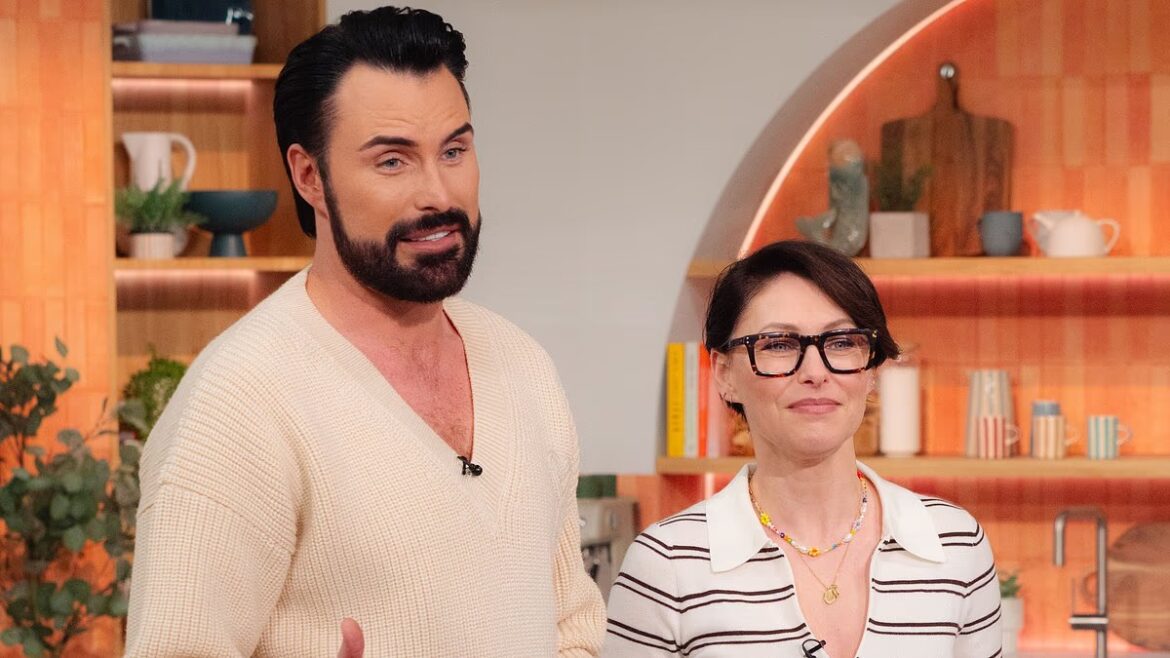
The glitterball may be gathering dust for the summer, but the rumour mill surrounding the future of Strictly Come Dancing is spinning faster than a professional dancer in the final of the paso doble. Since the departure of long-serving hosts Tess Daly and Claudia Winkleman, the BBC has been engaged in a very public, and seemingly agonising, search for a new presenting line-up. A shortlist of “magnificent seven” contenders has been widely reported, and this week, the spotlight fell squarely on two of the most familiar faces in daytime television: Rylan Clark and Emma Willis. The pair, currently holding the fort on ITV’s This Morning, found themselves in the hot seat as they were grilled about their potential involvement in the nation’s favourite dance competition.

The interrogation came as no surprise. Both Rylan and Emma are seasoned television professionals with impeccable light entertainment credentials. Rylan, a former contestant on The X Factor, has carved out a niche as one of the most versatile and genuinely beloved presenters on British television. His stint on Strictly’s sister show, It Takes Two, proved he understands the rhythm and the culture of the ballroom world. Emma Willis, meanwhile, is the epitome of cool, calm professionalism. Her work on The Voice UK and Big Brother has demonstrated her ability to handle live television with a steady hand and a warm, empathetic presence. On paper, they are an almost perfect fit for the glittering mantlepiece.

Pages: 1 2

Advertisement